
Fireworks and BBQ Injuries: Burns, Cuts, and Quick Wound Care
Introduction: Fireworks and BBQ Injuries: What You Need to Know
As summer approaches, the excitement of fireworks and barbecues fills the air, bringing joy to families and friends. However, these festive occasions also come with risks, particularly injuries from burns and cuts. Understanding how to care for these injuries and knowing when to seek medical attention is essential for a safe and enjoyable summer.
According to the National Fire Protection Association (NFPA), in 2021, fireworks caused an estimated 11,500 injuries in the United States, with children aged 5-9 experiencing the highest rates of injury. This alarming statistic underscores the importance of safety measures and parental supervision during fireworks displays. Similarly, BBQ-related incidents, such as burns from grills or cuts from utensils, are common and can range from minor to severe. Popular BBQ foods, such as burgers and hotdogs, coupled with the excitement of grilling outdoors, can lead to careless behavior and subsequent injuries. Statistics indicate that nearly 19,000 grill-related injuries occur annually, reinforcing the need for awareness and prevention. For instance, many injuries arise from not handling utensils safely or from failing to control the grill’s heat and flames, leading to serious mishaps.
At UrgentCare MDs, we prioritize your health and safety, offering expert advice and prompt care for injuries related to fireworks and BBQs in Baytown and Crosby, Texas. Understanding where to turn when injuries occur can make a significant difference in recovery outcomes. Here, we’ll provide you with crucial information on what to look for, basic wound care, and when to seek urgent care.
Common Signs, Symptoms, and Risks
Recognizing the signs and symptoms of fireworks and BBQ injuries is vital for prompt treatment. Here’s what to watch out for:
- Burns: Look for redness, blisters, or peeling skin. Burns can be classified as first-degree (mild), second-degree (more severe with blisters), or third-degree (which affects deeper tissue and may appear charred). For instance, a first-degree burn may result from accidentally touching a hot grill, while a second-degree burn could occur if hot oil splatters while cooking. It’s crucial to assess the severity promptly, as even minor burns can cause significant discomfort if not treated properly—ice packs or aloe vera can provide soothing relief for milder burns.
- Cuts: Cuts from grill utensils or fireworks can cause varying degrees of bleeding and pain. A minor cut may cause slight bleeding and discomfort, while a deeper cut could necessitate stitches. If the cuts are deep or fail to stop bleeding, medical care may be necessary. It’s essential to assess the extent of the injury carefully; for instance, lacerations from sharp grill tools can lead to more severe injuries that require immediate attention.
- Signs of Infection: If a wound becomes increasingly red, swollen, or warm to the touch, or if you notice pus or a fever, these may indicate an infection that requires professional treatment. Infections can occur in both burns and cuts, necessitating vigilance in monitoring for developments, as untreated infections can lead to systemic issues, further complicating recovery.
It is crucial to differentiate between urgent and non-urgent cases. Minor injuries, like small burns or cuts that can be treated with basic first aid, may not require a visit to urgent care. However, if a burn is larger than three inches or if cuts are deep, it’s advisable to seek quick medical attention to prevent complications. Recognizing these distinctions can save time and ensure you get the proper care when needed.
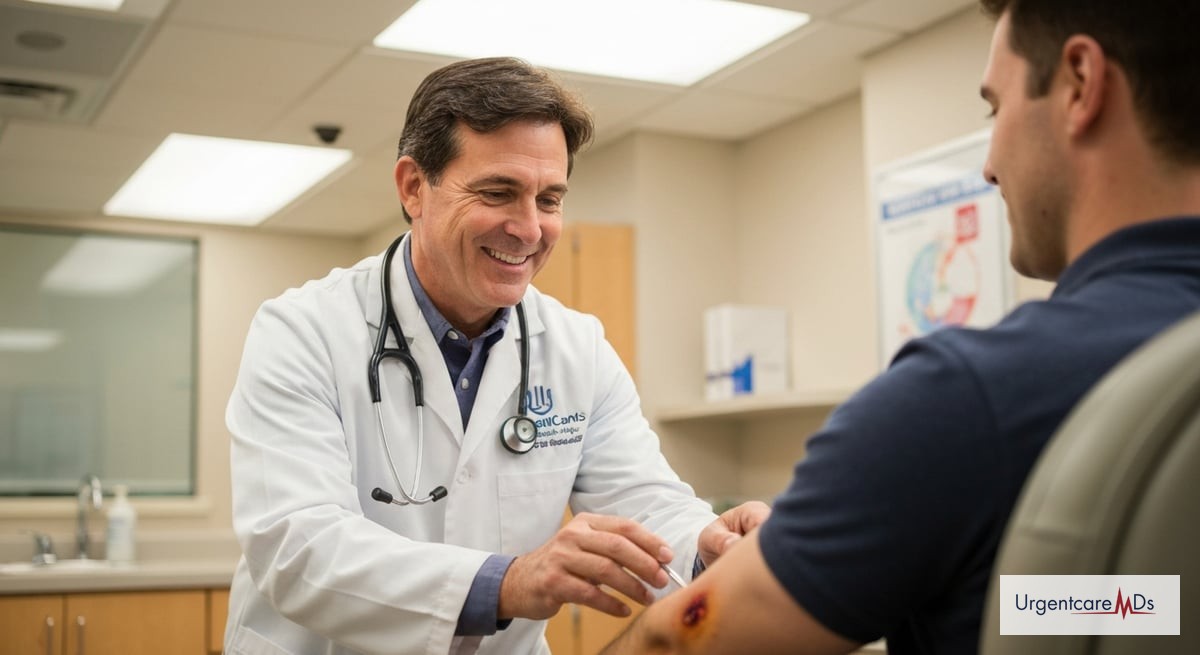
How UrgentCare MDs Handles Fireworks and BBQ Injuries
At UrgentCare MDs, we understand that injuries can occur unexpectedly, especially during celebrations. That’s why we provide comprehensive and compassionate care for individuals suffering from fireworks and BBQ injuries. Our clinic is designed to manage such incidents efficiently, ensuring a smooth experience from the moment you walk through our doors.
Our team of experienced providers, including Dr. Kamran A. Khan, M.D. (Internal Medicine and Urgent Care), offers timely evaluations for burns and cuts, each case approached with attention and sensitivity. We utilize modern diagnostic techniques and treatment protocols to ensure you receive appropriate care. For example, advanced imaging tools allow us to assess deeper tissue damage from severe burns, providing a precise diagnosis that informs treatment plans, ensuring that you receive the tailored care necessary for your recovery.
For burns, we assess the severity, clean the affected area, and may apply topical antibiotics or dressings to promote healing. Our providers take into account individual pain tolerance levels and may provide pain management options to ensure your comfort throughout the healing process. For cuts, we perform thorough wound cleaning, suturing if necessary, and provide guidance on aftercare to prevent infection, including instructions on how to change dressings and recognize early signs of complications. This level of care is particularly important for children, who may be more anxious about injuries.
Our clinic is equipped with state-of-the-art facilities, including on-site lab testing and X-ray services, ensuring that you receive prompt and efficient care in a patient-centered environment. The convenience of having multiple services under one roof means less waiting and more immediate attention, which is critical during the summer months when injuries can spike. Our focus is on creating a reassuring and supportive environment to help you feel at ease during your visit, fostering a sense of trust and comfort when you need it most.
Practical Advice for Quick Wound Care
Knowing how to handle minor burns and cuts at home can greatly influence recovery time and comfort. Here’s a concise first aid guide:
- For Burns:
- Immediately cool the burn under running water for at least 10 minutes to reduce heat and minimize damage. This is crucial within minutes after the injury occurs to prevent the burn from deepening; the sooner you cool the area, the better your chances of minimizing tissue damage.
- Do not apply ice directly to the burn, as it may cause further damage and worsen the injury by lowering the skin’s temperature too quickly. Instead, use room temperature or cool water to ensure proper treatment.
- Cover the burn gently with a sterile, non-stick bandage to protect it from infections. This barrier can also help reduce pain by lessening exposure to air, which can further irritate the burn.
- Avoid applying creams or ointments on severe burns and seek professional help. Oils and greasy substances can trap heat and worsen the injury, potentially leading to more severe complications.
- For Cuts:
- Clean the cut with soap and water, ensuring you remove any dirt or debris. This step is vital to reduce the risk of infection. Apply gentle pressure to stop any bleeding; even light pressure for a few minutes can be effective in this crucial moment.
- Cover it with a sterile bandage and keep it clean. Change the bandage regularly, especially if it becomes wet or dirty, to prevent bacteria from entering, as the more vigilant you are with initial care, the less likely you are to face complications.
- If the cut is deep or bleeding heavily, visit UrgentCare MDs for appropriate treatment. Prompt management is key to preventing infection and promoting healing; don’t delay obtaining professional help if you feel uncertain about the care needed.
It’s essential to monitor the wound for signs of infection and to follow up with a healthcare provider if symptoms persist or worsen. Educating yourself on proper wound care can significantly reduce the risk of complications and enhance recovery, allowing a quicker return to enjoying your summer activities.
When to Visit UrgentCareMDs
If you experience any of the following symptoms, it’s time to seek help:
- Your burn is larger than three inches or affects the face, hands, feet, or groin. Burns in these sensitive areas can have severe consequences if not treated promptly and effectively. For example, facial burns can lead to scarring and disfigurement if not appropriately managed.
- You have a second-degree or third-degree burn. Immediate intervention can prevent further complications and ensure proper recovery; the longer you wait, the greater the risk for further damage and disability.
- The cut is deep and bleeding continuously or shows signs of infection, such as increased redness, swelling, or pus. Left untreated, infected wounds can lead to more serious health issues, including the risk of sepsis in severe cases.
- You are uncertain about the extent of your injury or have concerns regarding healing. Trust your instincts; if something feels off, it’s better to err on the side of caution. Early intervention often results in better outcomes.
UrgentCare MDs is dedicated to providing timely care without the long wait times often associated with emergency rooms. Our trained professionals will assess your condition thoroughly and provide the necessary treatments to ensure your recovery. With the right resources and knowledge, patients can navigate their injuries confidently, knowing professional support is readily available.
Conclusion
This summer, prioritize safety during fireworks displays and barbecues to minimize the risk of injuries. Understanding how to care for burns and cuts can help you respond quickly and effectively to accidents as they occur. By educating yourself and practicing vigilance, you can contribute to a safer environment for yourself and loved ones. Remember, if you experience an injury that seems serious or if you have questions about wound care, UrgentCare MDs is here to help with expert advice and treatment.
Find a location near you or walk in today for prompt and compassionate care from our experienced team. Our goal is not just to treat your injuries but also to empower you with the knowledge necessary for a safe summer filled with joy and celebration. By taking proactive steps in injury prevention and knowing when to seek help, you ensure that your summer is a delightful experience for all.
Common Questions about Fireworks and BBQ Injuries
What should I do if I get burnt from fireworks?
Cool the burn under running water for at least 10 minutes, cover it with a clean bandage, and seek medical attention for severe burns. It’s also important to monitor for any signs of infection, which can develop rapidly in untreated burns.
How can I treat small cuts at home?
Clean the cut with soap and water, apply pressure to stop bleeding, and cover it with a sterile bandage. If it doesn’t improve or shows signs of infection, such as increased redness or pus, see a physician for further evaluation to avoid complications.
When is it necessary to seek urgent care for a burn?
Seek urgent care if the burn is larger than three inches or shows signs of infection. It’s crucial to get a professional evaluation for proper treatment, as timely intervention is key to optimal healing.
Can I use ice on a burn?
No, using ice can cause further damage. Always use cool running water instead. This helps to soothe the area without causing additional harm and minimizes the risk of increasing the injury.
What are the signs of an infected wound?
Signs include increased redness, swelling, warmth, pus, or fever. These require prompt medical attention to prevent complications, including the risk of more severe systemic infections if ignored.
This article was created with the help of AI. Images may also be AI-generated.